
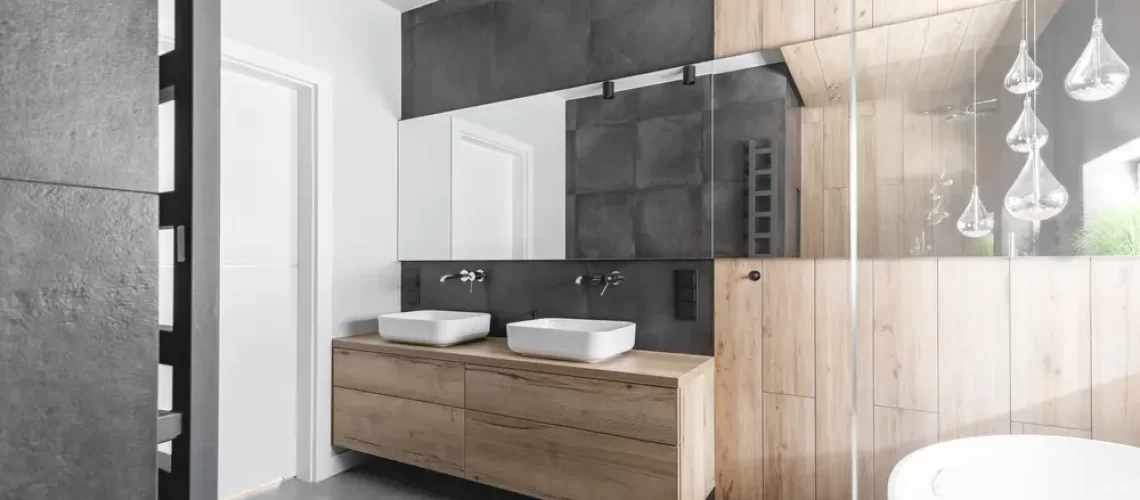
Although they may not be your home’s most glamorous or exciting room, bathrooms are undoubtedly one of the most valuable and important spaces. However, many overlook the importance of thoughtful design in this essential room. If you want to create a bathroom that is not only functional but also stylish and comfortable, there are eight key aspects that you should consider. From lighting and layout to storage and fixtures, focusing on these elements will help you create a bathroom that meets all your needs and exceeds your expectations.
Layout and Spacing
Incorporating the right spacing and layout for your bathroom will make it more comfortable and efficient. Properly laid-out fixtures can help ensure that you have enough room to move through the space without congestion and each fixture is accessible by users. Further, strategically placed elements like mirrors and shelving can open the bathroom, making it feel larger than it is. Consider how much space each fixture needs to function adequately, such as placing two vanities side-by-side while keeping enough space between them for someone to stand there comfortably. The best solution will depend on your preferences and available space, but careful thought should be put into the layout of your bathroom to maximize its potential.
Lighting
When it comes to designing a bathroom, lighting should not be overlooked. In addition to providing visibility in the bathroom, appropriate lighting can enable you to create the perfect atmosphere. The type of lighting used is ultimately up to the individual, but you must choose lights that provide enough light to complete practical tasks such as shaving or applying makeup. Furthermore, careful consideration should be taken when selecting the fixtures for your lights, with popular options including recessed ceiling spotlights or vertical wall sconces. Whatever lighting solutions are chosen for the bathroom design must ensure effective task lighting and always allow for sufficient brightness levels.
Storage
A well-organized bathroom is essential for maintaining hygiene and a sense of serenity in the home. To ensure it remains tidy, having plenty of storage will step up your bathroom game. Shelves, drawers and cupboards are fantastic ways to store products out of sight, and even small spaces like over-the-toilet cabinets can offer storage solutions. If there’s limited space in the room, looking into corner shelving or unit combinations is an ideal way to ensure everything has its place. Utilizing all available wall space helps save vital floor area whilst keeping things neat and orderly – making you feel relaxed every time you step into your sanctuary.
Flooring
When choosing to floor for your home, it is important to consider factors such as durability, water resistance and slip resistance. Bathrooms typically need flooring material that is water-resistant and slip-resistant due to the existence of water or other fluids on the floor. Floors made from wood composite or ceramic materials are good options for bathroom floors due to their durability and low maintenance features. Whether you choose a sleek marble tile or a more rustic wood plank, always ensure your flooring meets all the quality, safety, and longevity criteria.
Ventilation
Ensuring proper ventilation in a bathroom is an essential part of keeping air quality high and the risk of mould and mildew growth low. Continuous air circulation is the most effective way to reduce or prevent moisture build-up, which is necessary to keep humidity in check. Windows must be frequently opened while running fans like exhaust fans, window-inline fans, and ceiling fans will help draw out excess moisture and allow fresh air to find the perfect balance of ventilation and humidity. Additionally, controlling sources of moisture like showers and baths may help reduce potential issues. Ventilation should not be overlooked when it comes to the air quality within the home or workplace, as it goes a long way in helping maintain a safe and healthy environment for everyone.
Fixtures and Fittings
Searching for the perfect fixtures and fittings for your bathroom is a chance to simultaneously create a stunning and practical space. The key is to carefully consider each item, from the faucets to the mirrors, ensuring they both serve their intended purpose and look amazing together. The right combination of elements can completely transform the look and feel of your bathroom, elevating it from a functional space to a true luxury oasis. And with so many options available, there’s no need to compromise on style or budget – it’s all about finding the perfect match for your unique vision.
Colour and Style
The bathroom is perfect for showcasing your personality and design flair through its colour scheme and style. Its aesthetics should harmonize with your home’s overall decor and shouldn’t be neglected. Transform your bathroom into a sanctuary by infusing it with colours and styles matching your preferences. It’s an opportunity to experiment, play, and create a unique ambience reflecting individuality. If you’re unsure of your painting skills, consider hiring professional house painters to ensure a seamless finish. So go ahead and add excitement and sophistication to your bathroom with an exquisite colour palette and chic style you adore.
Accessibility
Giving everyone equal access to necessities like showering or washing their hands is essential. That’s why incorporating accessible features such as grab bars, wheelchair-accessible sinks, and showers can be life-changing for individuals with mobility issues or disabilities. By providing these accommodations, we are cultivating an inclusive environment that ensures everyone can live with independence and dignity.
In conclusion, bathrooms are incredibly important spaces and are often overlooked when considering thoughtful design decisions. You must take the time to think through the different aspects of bathroom design, from lighting and layout to fixtures and storage–all of which are key components in ensuring your bathroom meets every need and exceeds expectations. It would be best to look for opportunities to incorporate exciting details into your bathroom setup that make it unique and enjoyable. With careful planning, effortless functionality can be united with breathtaking beauty – resulting in a delightful space for both beauty regimens and quick freshening up that you’ll always be satisfied with. So, if you want to revamp or refine your home’s most underrated room, follow these eight crucial tips and elements when designing an unforgettable bathroom.